
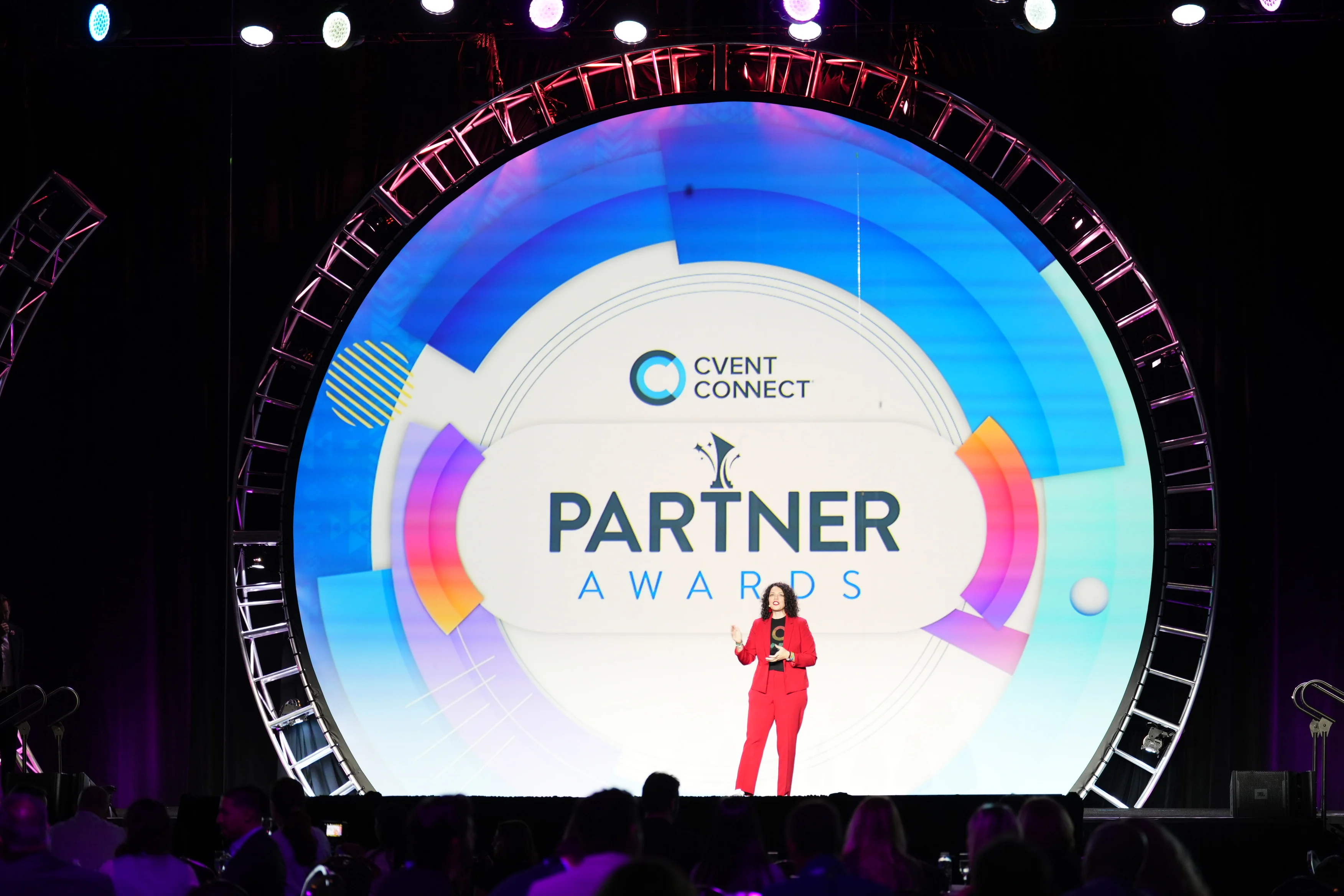
The keynote speaker is often the single largest investment in your conference program—and the element most likely to be selected based on the wrong criteria. Too many conferences book speakers based on celebrity status, viral TED talks, or personal familiarity, then wonder why the keynote feels disconnected from the rest of the program. This guide provides a systematic approach to selecting keynote speakers who amplify your conference theme, resonate with your specific audience, and deliver insights that drive behavior change long after the applause fades.
Define the Keynote's Role in Your Conference Arc
Before you start reviewing speaker reels, define what you need your keynote to accomplish within the larger conference experience. A keynote can serve several distinct roles: it can open the conference by setting context and generating energy; it can pivot the program by introducing a new perspective mid-conference; it can close by synthesizing themes and catalyzing commitment; or it can challenge by presenting provocative ideas that fuel subsequent workshop discussions. Each role requires a different speaker profile. An opening keynote needs someone who connects instantly with diverse audiences and generates emotional energy. A mid-conference keynote needs a thought leader whose content feeds directly into afternoon workshops. A closing keynote needs someone who can weave together the threads of the entire conference into a compelling call to action. Map your keynote roles against your conference's SPARK design. Strategy alignment means the keynote reinforces your organizational direction. Purpose clarity means the speaker's message advances your conference's specific learning objectives. Too often, conferences treat keynotes as standalone entertainment rather than integrated elements of a designed experience. When your keynote exists in isolation from the rest of the program, you've wasted your biggest stage moment.
- 1Opening Keynote ProfileNeeds a speaker who connects instantly with diverse audiences, generates emotional energy, and establishes the thematic framework that subsequent sessions will build upon.
- 2Mid-Conference Keynote ProfileRequires a thought leader whose content directly feeds into afternoon workshops or breakout sessions, creating intellectual fuel for collaborative work.
- 3Closing Keynote ProfileLook for a speaker who can synthesize conference themes, weave together insights from the entire program, and deliver a compelling call to action that sustains momentum.
- 4Challenge Keynote ProfileSelect a provocative thinker who presents uncomfortable questions or contrarian perspectives, designed to shake comfortable assumptions and energize strategic dialogue.
A Framework for Evaluating Keynote Candidates
Develop a structured evaluation framework that goes beyond 'do we like their reel?' Evaluate candidates across five dimensions: relevance (how closely their expertise matches your conference theme), customization willingness (will they tailor their talk to your audience or deliver their standard speech?), audience calibration (do they have experience with audiences similar to yours?), interaction style (do they lecture or engage?), and post-keynote value (do they offer follow-up resources, workshops, or ongoing engagement?). Request full-length recordings, not highlight reels. A three-minute sizzle reel tells you about the speaker's marketing team; a forty-minute recording tells you about the speaker's actual stage craft. Watch specifically for how they handle the middle twenty minutes—anyone can open strong and close with a memorable story, but sustained audience engagement through the core content is what separates professional keynotes from motivational speakers. Conduct reference calls with at least two previous clients who booked the speaker for events similar to yours. Ask specific questions: How responsive was the speaker during the planning process? Did they customize their content? How did the audience engage during the talk? What was the post-keynote feedback? Did the speaker stay for the rest of the event? The answers to these questions reveal more than any marketing material.
- 1Relevance AssessmentEvaluate how closely the speaker's expertise, industry experience, and intellectual framework align with your conference theme and audience's specific challenges.
- 2Customization CommitmentDetermine whether the speaker will genuinely tailor content to your audience or deliver their standard talk—ask for specific examples of previous customization.
- 3Full-Length Recording ReviewWatch 40+ minute recordings, not highlight reels. Focus on sustained engagement during the middle section, audience interaction quality, and content depth.
- 4Client Reference CallsContact 2-3 previous clients who booked the speaker for similar events, asking about preparation process, customization quality, audience response, and professionalism.
Ensuring Content Alignment with Your Conference Theme
The most common keynote disappointment is a speaker who delivers a compelling talk that has nothing to do with the rest of the conference. This happens when event planners book a speaker based on reputation and hope the connection to the conference theme will emerge naturally. It won't. Once you've selected your speaker, invest in a thorough content alignment process. Share your conference objectives, theme, audience profile, and the sessions that precede and follow the keynote. Provide the speaker with specific 'landing points'—ideas, phrases, or calls to action that you want the keynote to reinforce. A professional speaker will welcome this input; a prima donna who refuses to adapt their content to your context is a red flag. Create explicit content bridges between the keynote and the rest of your program. If your keynote speaker discusses adaptive leadership, ensure your afternoon workshop facilitators reference the keynote frameworks in their sessions. Prepare your emcee with transition language that connects the keynote's key points to the next session. These bridges prevent the keynote from being an impressive but isolated experience. Consider inviting the keynote speaker to participate in a Q&A session or panel later in the conference. This extended engagement deepens the audience's connection to the speaker's ideas and creates opportunities for the nuanced, context-specific dialogue that a formal keynote can't provide.
- 1Content Brief SharingProvide the speaker with conference objectives, audience demographics, adjacent session content, and specific 'landing points' you want the keynote to reinforce.
- 2Program Integration PointsDesign explicit content bridges between the keynote and subsequent sessions—have workshop facilitators reference keynote frameworks in their activities.
- 3Emcee Transition ScriptsPrepare your emcee with specific transition language that connects the keynote's key ideas to the next session, maintaining thematic continuity.
- 4Extended Speaker EngagementInvite the keynote speaker to participate in a Q&A panel, roundtable, or informal session later in the program to deepen audience connection with their ideas.
Negotiating and Booking Your Keynote Speaker
Keynote speaker fees vary dramatically—from $5,000 for emerging thought leaders to $100,000+ for celebrity speakers. The fee should be evaluated not in absolute terms but in relation to the value the speaker brings to your specific audience. A $15,000 industry expert who drives your conference theme may deliver more value than a $50,000 celebrity whose content doesn't connect to your objectives. When negotiating, understand what's included in the fee. Standard deliverables typically include the keynote presentation, one pre-event planning call, and basic travel expenses. Additional value you can negotiate includes: a pre-conference webinar for attendees, a signed book for each participant, a post-conference article or video summary, participation in a VIP dinner, or an additional breakout session. Many speakers are willing to add value beyond the keynote if you approach the relationship as a partnership rather than a transaction. Get the contract details right. Specify the exact presentation length, technical requirements, exclusivity period (you don't want the speaker delivering the same talk at your competitor's conference the week before), recording and distribution rights, and cancellation terms. Professional speakers have standard contracts, but every term is negotiable. Book early for the best selection. Top-tier speakers book 6-12 months in advance, especially during peak conference seasons. If your preferred speaker is unavailable, ask for their recommendation—professional speakers often know colleagues with complementary expertise who might be an even better fit for your specific needs.
- 1Value-Based Fee EvaluationAssess speaker fees relative to the strategic value they bring to your specific audience and objectives, not based on absolute price or celebrity status alone.
- 2Negotiate Added ValueLook beyond the keynote fee to negotiate additional deliverables: pre-conference webinars, signed books, post-event content, VIP dinner participation, or extra breakout sessions.
- 3Contract EssentialsSpecify presentation length, technical requirements, exclusivity windows, recording and distribution rights, and cancellation terms in the speaker agreement.
- 4Early Booking StrategyBegin your speaker search 6-12 months before the event. If your preferred speaker is unavailable, ask for their recommendation—they often know ideal alternatives.
Maximizing the Keynote's Impact Before, During, and After
A keynote's impact extends far beyond the time the speaker is on stage—if you design it that way. The pre-keynote period should build anticipation and context. Share the speaker's background with attendees in advance, but frame it around relevance to the conference theme, not just biographical details. Send attendees a pre-read article or video from the speaker to prime their thinking. Create a 'questions for the keynote' submission form so the speaker can address real audience concerns. During the keynote, enhance the experience with strategic audience interaction. Work with the speaker to include at least one moment of audience participation—a live poll, a pair discussion, or a written reflection. These participation moments deepen processing and create personal ownership of the keynote's ideas. Provide attendees with a structured note-taking template that captures key insights and prompts immediate application thinking. After the keynote, don't let the energy dissipate. Have your emcee or facilitator lead a brief 'reaction round'—what resonated most? What challenged your thinking? What will you do differently? Follow up within 48 hours with a summary of the keynote's key points, links to additional resources from the speaker, and a connection to the conference's ongoing strategic themes. This post-keynote activation is what transforms an inspiring hour into a catalytic experience.
- 1Pre-Keynote PrimingShare relevant speaker content in advance—articles, videos, or a brief interview—to build anticipation and prime the audience's thinking around the keynote themes.
- 2Audience Question CollectionGather audience questions before the keynote through a submission form so the speaker can address real concerns and the audience feels heard.
- 3Structured Note-TakingProvide attendees with a keynote reflection template that captures key insights and prompts immediate 'how will I apply this?' thinking during the presentation.
- 4Post-Keynote ActivationFollow the keynote with a facilitated reaction round, and distribute a 48-hour follow-up with key insights, speaker resources, and connection to ongoing conference themes.