
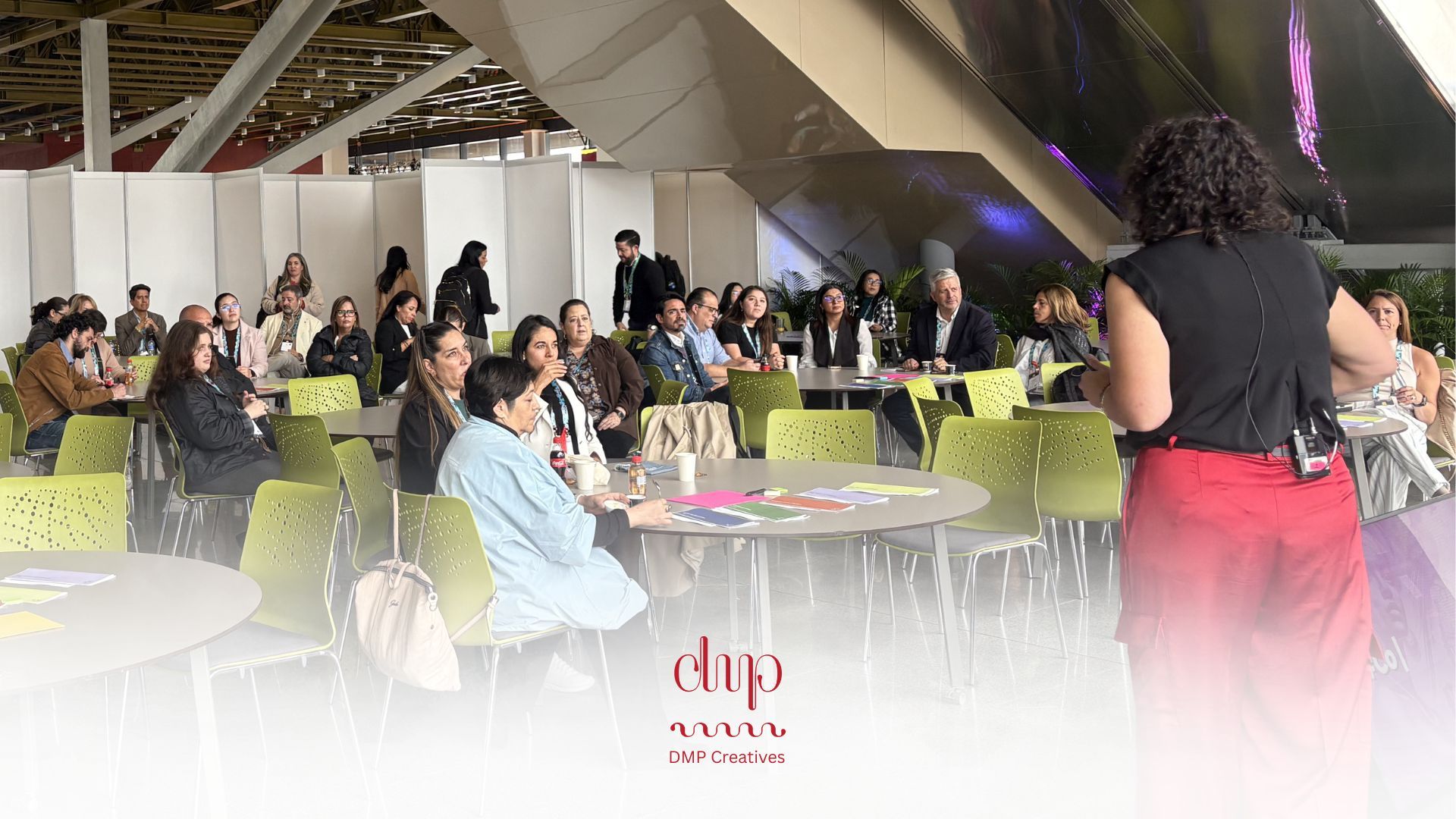
Most leaders can describe a meeting that went sideways. Fewer stop to name what was actually missing. This is what an unfacilitated room tends to produce.
Most leaders can describe a meeting that went sideways.
The offsite that produced a lot of conversation and no decisions. The strategy session where the same three voices dominated for two hours while everyone else performed agreement. The town hall that ended with polite applause and a room full of people who still didn't believe what they'd just been told.
These aren't unusual. They're the default output of a room without someone whose actual job is to hold it.
The HiPPO in the Room
In the absence of a facilitator, most meetings default to the same informal power structure: whoever has the most authority, the loudest voice, or the highest tolerance for silence tends to shape what gets said.
In organizational behavior, this is sometimes called the HiPPO effect, the Highest Paid Person's Opinion. It's not that senior leaders intend to dominate the conversation. It's that when there's no one holding space for other voices, the room naturally fills in the direction of least resistance. And least resistance usually follows the org chart.
The result is a meeting that looks participatory and isn't. People speak, but carefully. Agreement happens quickly, but without conviction. The real concerns stay in the hallway conversation afterward.
False Consensus and the Decisions That Don't Stick
One of the more expensive patterns in organizational life is the decision that gets made in a meeting and then quietly relitigated for the next three months.
It happens when a room reaches consensus without actually reaching agreement. People stop pushing back not because they're convinced, but because they're tired, because the power dynamics made it clear that pushing back wasn't going to be productive, or because they figured the decision would change anyway.
That's not consensus. That's the performance of consensus. And it costs organizations enormously in rework, misalignment, and the slow erosion of trust in the meeting process itself.
A facilitator's job is to make sure that when a room says yes, it means yes. That requires different conditions than most meetings provide on their own.
What Actually Gets Lost
The unfacilitated room tends to underuse the people in it.
Not because those people don't have anything to contribute. But because different people contribute in different ways, and most meeting formats reward a narrow range of participation styles. The person who processes out loud will dominate. The person who thinks carefully before speaking will stay quiet and get labeled as disengaged. The person with the most important perspective in the room may never say it because no moment was designed for them to say it.
Good facilitation isn't just about managing time or keeping an agenda on track. It's about designing conditions where more of the room's intelligence actually surfaces. Where the right questions get asked in the right order. Where people leave having done something together, not just having sat through something together.
That difference is worth money. And the absence of it costs money too, in the decisions that don't hold, the momentum that doesn't build, and the gatherings that leave people more cynical about the next one.
If you've got a high-stakes session coming up and you're wondering whether it needs a facilitator, the answer is almost certainly yes. I'm happy to have that conversation before anything is scheduled.