
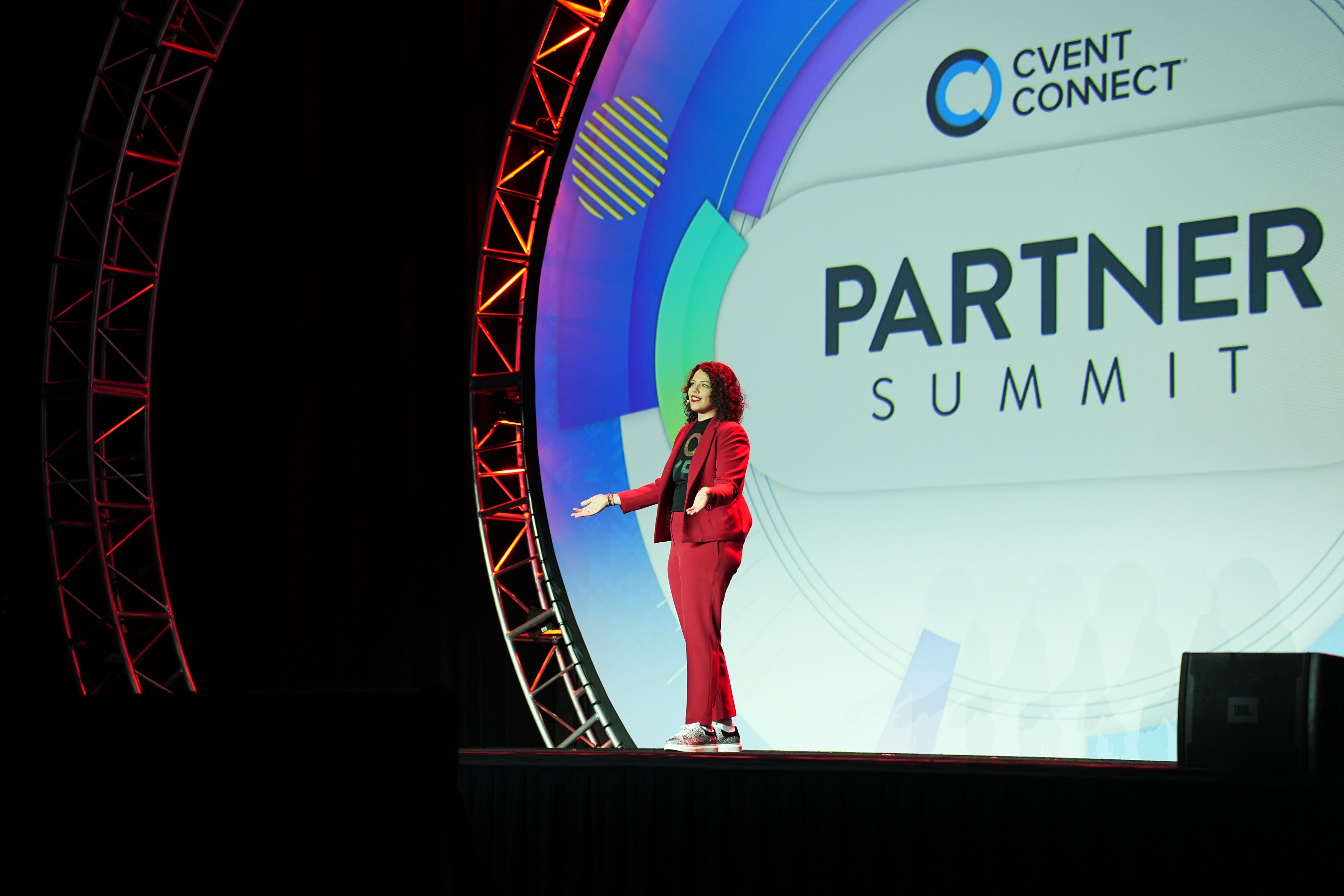
Event companies manage logistics. A facilitator makes sure the experience inside those logistics actually works. Here’s how the partnership fits together.
Event management companies do something genuinely difficult.
They take a client's vision and turn it into a real, running program. Venue sourcing, vendor management, production logistics, run of show, staffing, contingency planning. The behind-the-scenes complexity of a well-produced corporate event is significant, and the best event companies make it look effortless.
That is a real skill. And it is a different skill than facilitation.
Here is where the partnership gets interesting.
The Gap Between a Well-Produced Event and an Effective One
A perfectly produced event can still fall flat. The lights can be right. The sound can be dialed in. The transitions can be smooth. And the room can still leave without the outcome the client was paying for.
That gap between production quality and experience quality is where facilitation lives.
Production creates the container. Facilitation shapes what happens inside it.
When event companies bring in a professional facilitator as part of the team, they are not adding a redundancy. They are filling a function that production expertise was never designed to cover. And they are protecting their client's investment in a way that reflects well on everyone involved.
What It Means for Your Client Relationship
Think about what your clients are actually trying to accomplish when they hire you for a major corporate event.
They are not buying a venue and a run of show. They are buying a successful outcome. A sales team that leaves a kickoff ready to move. A leadership group that comes out of an offsite aligned. An employee base that walks out of an annual meeting feeling connected to the organization's direction.
When that outcome happens, your client is satisfied and your relationship deepens. When it does not, even a flawless production can feel like it fell short.
A professional facilitator is what bridges the gap between a well-run event and one that actually delivers. When you offer that as part of your service, or when you recommend it as part of the client's broader investment, you are adding value in a way that goes beyond logistics.
How the Working Relationship Looks in Practice
The best partnerships I have with event companies are built on a clear division of focus.
They own the production. I own the experience. We collaborate on the design so that the logistics serve the outcomes, not the other way around.
That means I am involved in planning conversations early, not brought in as a plug-and-play addition the week before. An event designed with facilitation in mind from the start is a different event than one where facilitation gets layered on after the agenda is already set.
It also means there is no overlap in authority on site. The production team runs the show. I run the room. When those two things work in coordination, the day flows in a way that clients notice even if they cannot fully articulate why.
What to Look for in a Facilitation Partner
Not every facilitator is the right fit for corporate event work, and it is worth being specific about what that fit looks like.
You want someone who is comfortable in high-stakes, high-visibility environments without needing to be the center of attention. Someone who can hold a room of senior executives with the same ease as a room of 500 employees. Someone who understands that their job is to make the client's goals happen, not to make themselves memorable.
You also want someone who is easy to work with behind the scenes. Collaborative, prepared, and clear about their scope. A good facilitator makes an event company's job easier, not more complicated.
That is the standard I hold myself to in every partnership I take on.
If you are an event company working with corporate clients in the Dallas-Fort Worth area, the Pacific Northwest, or the Northeast and you are looking to add experienced facilitation to your offering, I would like to have that conversation.
Let's connect.