Everyone sees what an emcee does on stage. Most miss what they hold in the transitions, pauses, and unplanned moments.
The emcee is the most visible person in the room. And usually the least understood.
From the outside, it looks like a series of introductions and transitions. Someone to keep things moving, fill the pauses, keep the energy up. A polished host who knows how to work a crowd and hand things off cleanly.
That's part of it. But it's a small part.
What a skilled emcee is actually doing is holding something much more consequential: the audience's relationship with the event.
The Emcee Is the Representative of the Audience on Stage
Most people think the emcee works for the program. They don't. They work for the room.
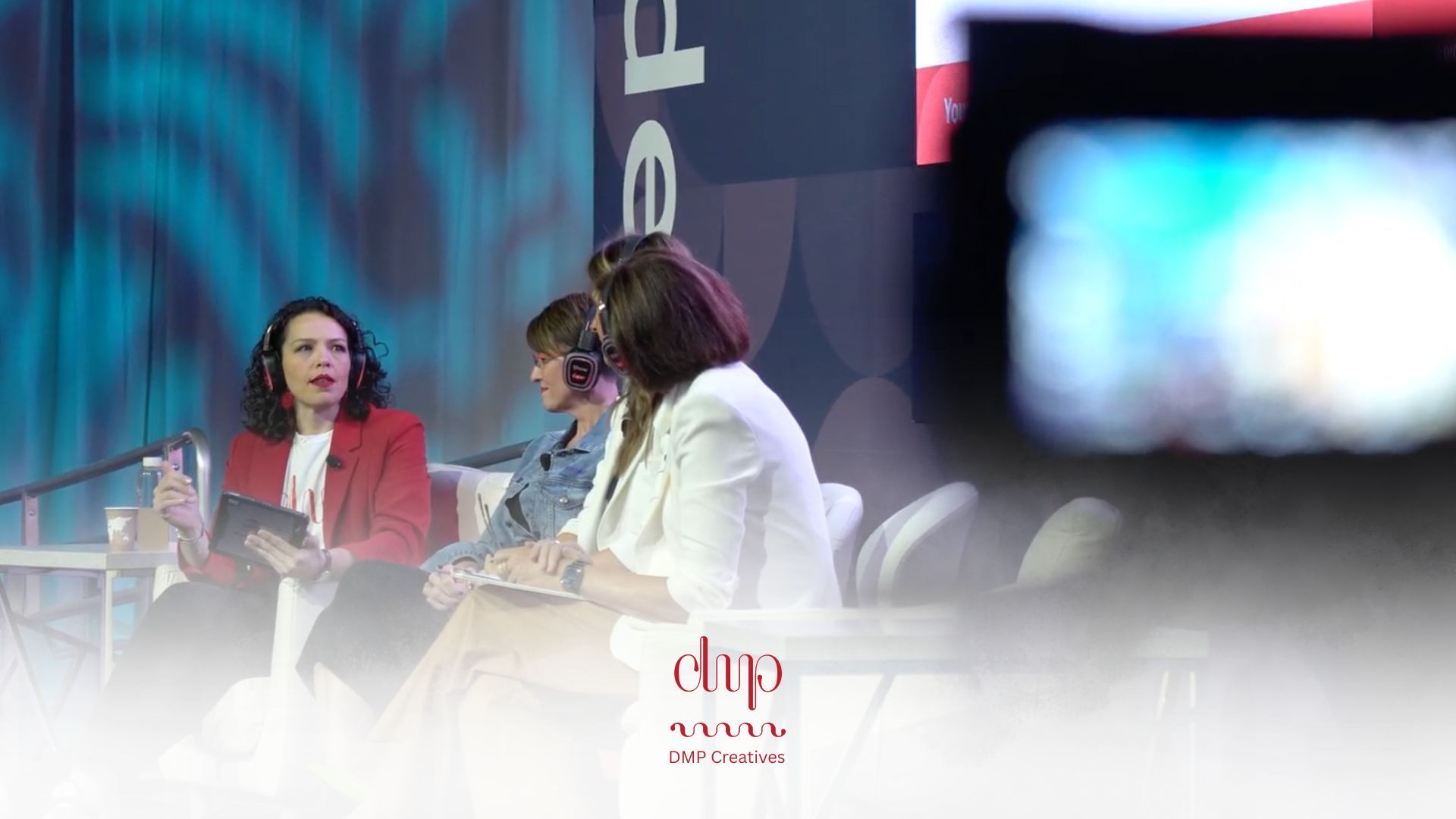
Every speaker, every executive, every session is trying to get something across to the audience. The emcee's job is to be that audience's advocate on stage, to translate, to bridge, to make sure what's being said is actually landing. When a speaker runs long and loses the room, the emcee reads it before anyone else and knows what needs to happen next. When the CEO just said something that went over half the room's heads, the emcee lands it without making the CEO look out of touch.
That's not hosting. That's a skill.
Some Things I Need You to Stop Doing
Let's talk about a few habits that are costing your events.
Guests introducing each other. This one happens all the time and it never works. "Our next speaker needs no introduction" followed by someone reading a bio off a printed sheet while the speaker is already crossing the stage is not a transition. It's dead air with a soundtrack. The emcee handles introductions. That's part of the job.
Internal people running the program. I understand why it happens. Someone on staff is outgoing, they know the company, they're enthusiastic. But enthusiasm isn't training. Running a program in front of hundreds of people, managing energy across a full day, navigating the moments no one planned for, that's a specific skill set. Your internal people are good at what they do. This isn't what they do.
The CEO as emcee. I respect every CEO who wants to be present and visible at their event. But there's a version of that which works, and a version that doesn't. Emceeing is a performance discipline. It requires preparation, it requires a different kind of presence than running a company, and it requires the ability to be in service of the room rather than in command of it. If your CEO is going to be on stage, let's rehearse them properly and put them in moments designed for them to succeed, not stretch them across a two-day role they weren't hired to do.
The Moments the Agenda Didn't Plan For
Every live event has them. The speaker who runs long. The AV that fails. The moment when the room's energy takes an unexpected turn and what was planned doesn't fit what's needed anymore.
This is where the gap between a competent host and a skilled emcee becomes most visible.
A competent host can introduce people and keep things on time. A skilled emcee can read what's happening in the room in real time, adjust without the audience knowing anything changed, and land the moment in a way that preserves the arc of the day. They can hold silence that would otherwise feel awkward. They can recover from a flat segment and give the next one a real chance. They can feel when the room needs to laugh and give it permission to do so.
With 20 years on stage across major conferences, association gatherings, and corporate events, I've navigated more of these moments than I can count. The audience almost never knows. That invisibility is the point.
Hire the Emcee Early. Seriously.
Here's the analogy I use: hiring an emcee early pays more dividends than the caesar salad on your event buffet. And we cost less than the caesar salad.
I'm not kidding. The amount organizations spend on table centerpieces, linen upgrades, and food stations that people walk past without stopping would more than cover a professional emcee brought in at the start of the planning process, not the week before.
When I'm involved early, I can contribute to program design, help shape the flow of the day, and flag the moments that need to be built differently. When I'm hired two weeks out, I'm doing damage control on an agenda I didn't design.
We're not a vendor with a line item you add when everything else is already decided. We're strategic partners. The events that treat us that way are the ones that go differently.
If you're planning a major conference or corporate event for Q3 or Q4 and the emcee conversation hasn't happened yet, this is the moment.
Let's talk about your conference →