
A new economic analysis just proved something I've argued for years. Most companies are budgeting their events as the wrong category entirely.
Two researchers named it back in 1998. Commodities, then goods, then services, then experiences, then transformations. Joe Pine and Jim Gilmore called it the progression of economic value, and they put transformations at the top. Not something you buy and consume. A change in the buyer themselves.
Nobody put a dollar figure on that top layer until this year. Stone Mantel did the math: 3.6 trillion dollars. That's what the American economy spends helping people become something different than who they were. Health care. Financial planning. Higher education. Workforce transitions. All of it counted as transformation, not service, not experience.
Here's the detail that caught my attention. Two thirds of that 3.6 trillion comes from three industries: health, finance, and employment services. Not travel. Not arts and culture. Not the industries most executives associate with premium experience design. The transformation economy isn't where the marketing conferences happen. It's where people go when their lives are actually changing.
Where Your Event Budget Actually Sits
Pine has a line I've been repeating to clients for years, and now there's research behind it. Services are time well saved. Experiences are time well spent. Transformations are time well invested.
Most corporate events get budgeted as the middle one. Something memorable. Something people mention at the next team lunch. A good experience.
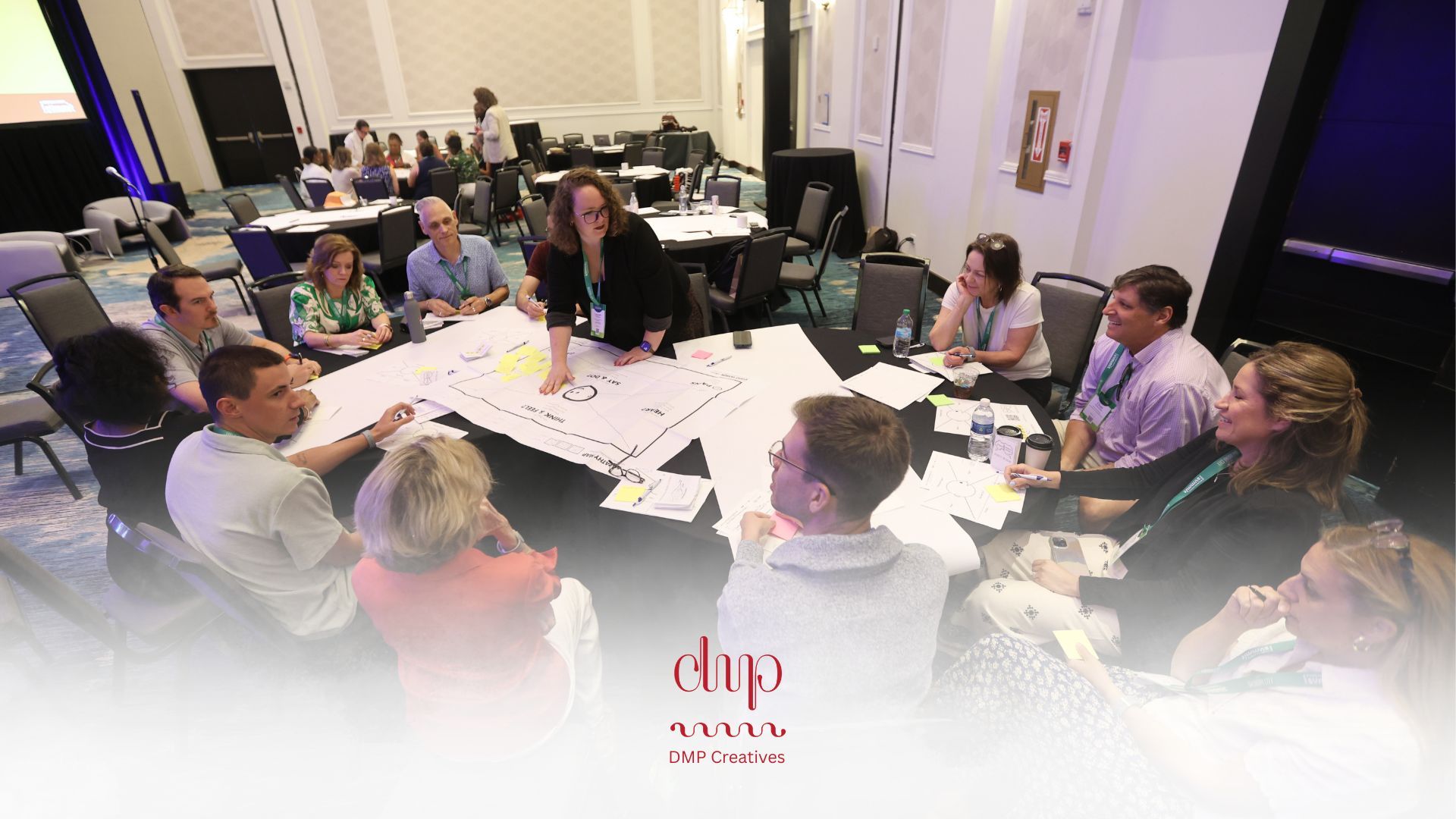
But when I sit down with a leadership team before an event, the conversation is never really about making people feel good for three hours. It's about whether the sales team leaves aligned on the strategy they were fighting about in Q2. Whether the room finally has the hard conversation everyone's been avoiding. Whether a department that's been quietly checked out starts showing up differently on Monday.
That's not an experience. That's a transformation. And it's being bought and sold in the wrong category, at the wrong price, by the wrong kind of vendor.
Same Skill, Different Container
I've said this before, and the data just handed me a bigger stage to say it from. Whether I'm hosting your gala, moderating your panel, or facilitating your leadership offsite, the skill underneath is the same: reading a room, sensing what's actually happening beneath the agenda, and shaping it toward the outcome that matters. The container changes. The value doesn't.
Employment services grew 148 percent over the last decade, faster than any other industry in the transformation economy. Faster than health. Faster than finance. Why? Because when someone needs a different job, a staffing firm isn't selling them a nice experience. They're selling them a change in who they are professionally. That's worth paying for at a completely different level than a service.
Your leadership offsite isn't staffing. But the same principle is sitting right there in your budget line, waiting for someone to notice it.
The Question Worth Asking Before Q4
If your company sells a service or an experience, the obvious next question is what's the transformation on the other side of it. I want to ask a narrower version of that, aimed at whoever is building the 2027 events calendar right now.
Is the person you're hiring designing for the experience, or for the transformation underneath it? Are you budgeting for time well spent, or time well invested?
Most companies don't know the difference exists until someone points it out. That's usually the actual job. Making the invisible visible.
[Curious what's hiding in your own event budget? Let's talk. →]