
Discover how Transformative Experience Facilitators turn events into moments of meaning, growth, and human connection.
It’s no longer enough for an event to be seamless or entertaining. The real magic lies in how it makes people feel, reflect, and act differently once they return home.
The Emcee as a TEFThe Event Industry’s Next Evolution
For years, event professionals have talked about engagement, connection, and impact. But the conversation has evolved. We’ve entered an era where audiences don’t just want to be informed — they want to be transformed.
That’s where the Transformative Experience Facilitator, or TEF, comes in.
A TEF doesn’t simply run an agenda or manage a crowd. They serve as a catalyst for change — guiding people through emotional, intellectual, and even behavioral shifts during an event. It’s about helping attendees not just attend, but emerge different.
From Events to Experiences to Transformations
The term “Transformative Experience Facilitator” comes from a 2024 study by Dieteren & Neuhofer, which explored how experiences move beyond the transactional into the transformational.
They found that today’s audiences crave meaning, not just moments. Transformation happens when people feel seen, challenged, and inspired — when what they experience on-site changes how they see themselves afterward.
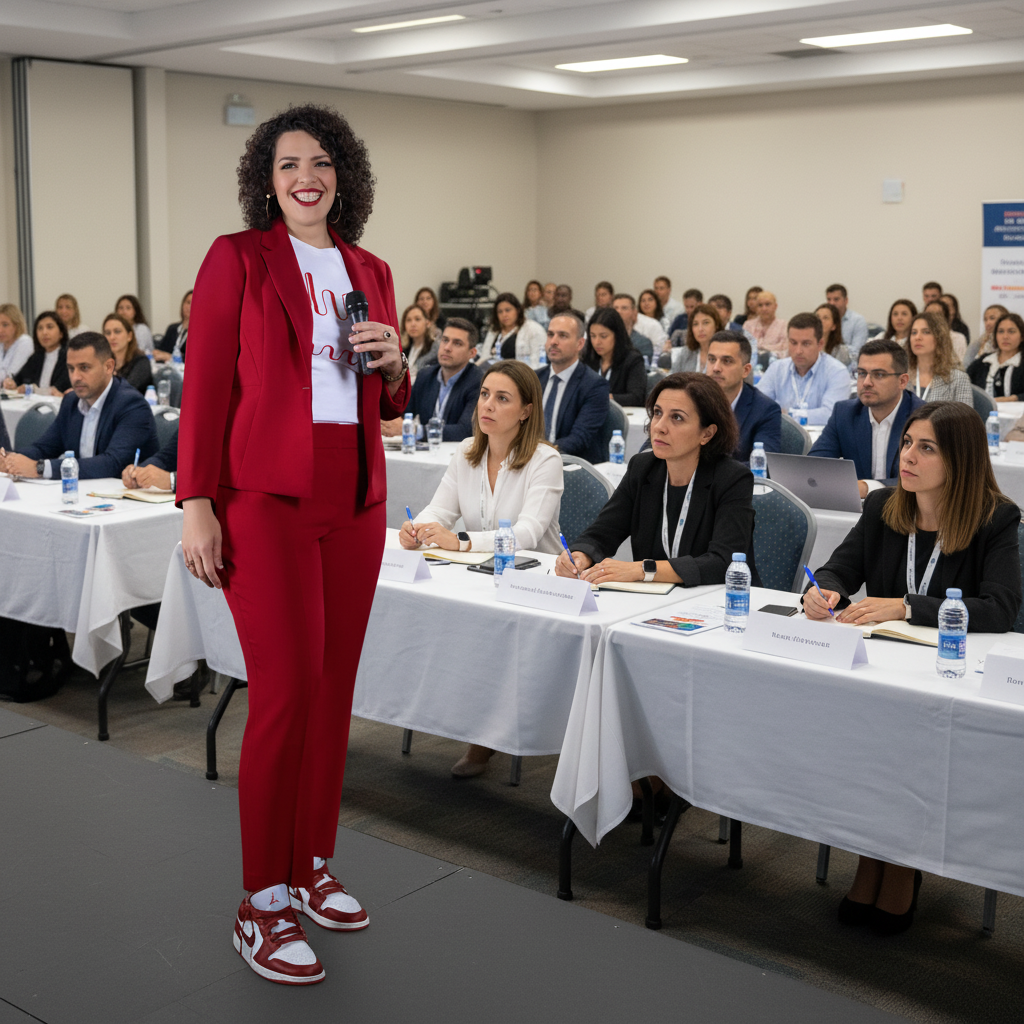
As an emcee and experience engineer, this concept hits home for me. Every time I step on stage, I’m not just keeping the program moving — I’m guiding emotional energy.
I see myself as a bridge between content and connection, using storytelling, tone, and presence to invite people into a shared emotional journey. Whether it’s through laughter, silence, or surprise, my role is to help them cross from where they are to what’s possible.
That’s transformation in action.
When done with intention, every cue, pause, and moment of resonance can help someone reframe what they believe about themselves, their work, or their world.
What It Takes to Facilitate Transformation
Becoming a Transformative Experience Facilitator doesn’t happen by accident. It requires:
Empathy: Understanding where your audience is emotionally and mentally at every stage of the experience.
Intention: Designing each moment to move them toward reflection or insight.
Authenticity: Showing up as a real, grounded human — because transformation starts with trust.
Presence: Reading the room, shifting energy, and creating space for meaningful engagement.
Integration: Ensuring the lessons learned carry beyond the ballroom.
When those elements align, transformation doesn’t just happen — it’s engineered.
Why This Matters Now
In a world overflowing with content, attention is no longer the ultimate currency — transformation is.
Organizations that invest in creating transformational experiences don’t just build loyalty; they build legacies. Audiences remember how you made them feel, how you helped them grow, and how you empowered them to take action.
And those moments? They ripple far beyond the event itself.
That’s the future of our industry — and it’s already here.