National Speakers Association has launched the Certified Emcee Professional designation and it matters for emcees long with the organization who hires them.
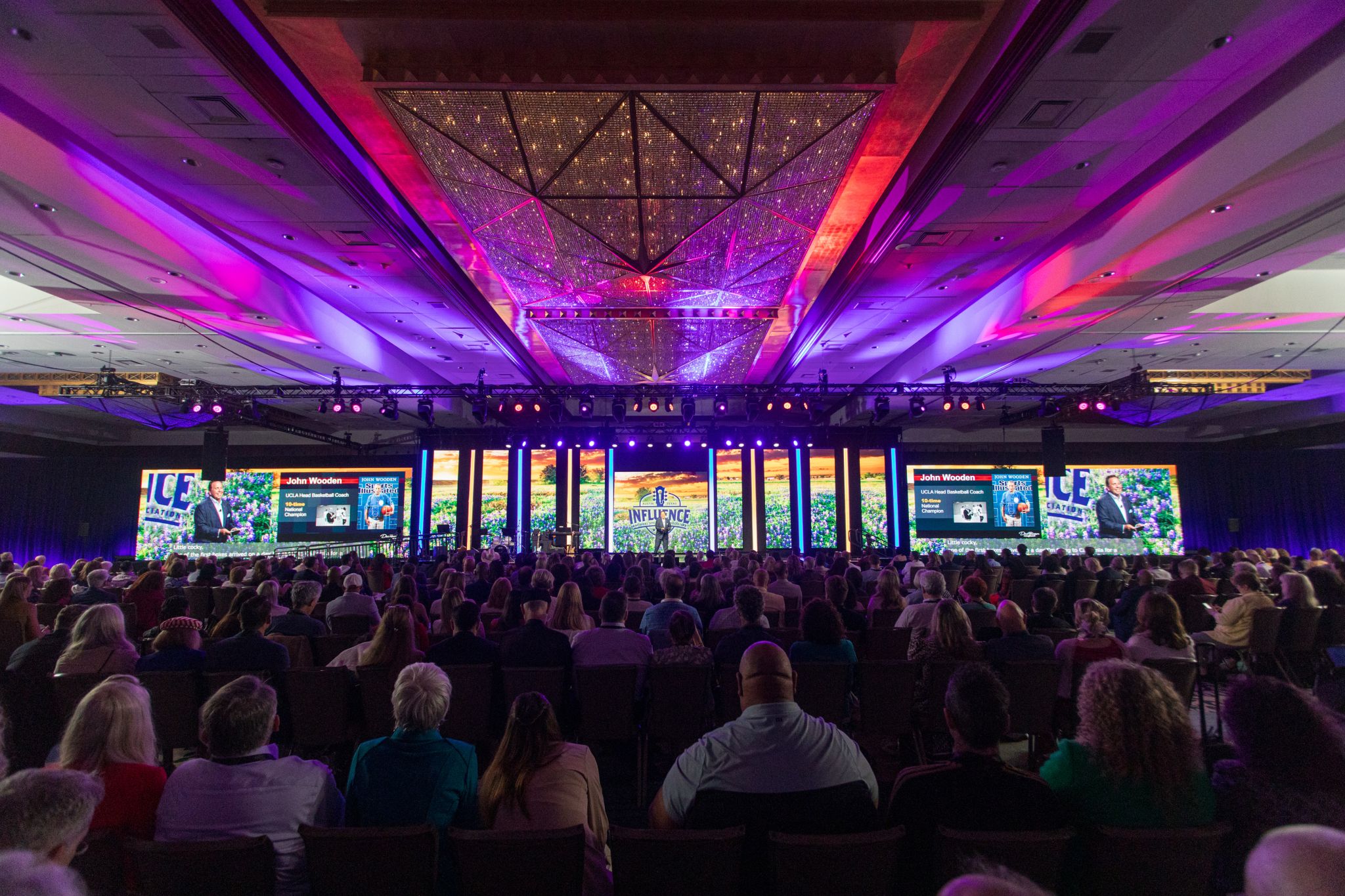
I drove to NSA Influence this year for the first time. Not for the full conference. Just enough time to connect with my people.
The speaker community. And more specifically, the emcee community.
There is something that happens when you get in a room with people who do what you do. People who live on the other side of the microphone the way I do. Who understand the actual craft of reading a room in real time, holding a room in real time, and making sure the content lands for the people in it. I got to connect with MCs who have been doing this for decades and some who are brand new to it. I learned from all of them.
We had our own session at NSA Influence this year. The emcee community, together in one space. And that alone felt like something.
Then came the announcement I'm still thinking about.
The National Speakers Association launched the Certified Emcee Professional designation. The CEP. And I want to explain why that matters, both to my colleagues in the emcee world and to every organization that hires us.
Why This Is a Bigger Deal Than It Sounds
For a long time, MC work did not count toward the CSP. The Certified Speaking Professional is the gold standard credential in the NSA world. It represents professional achievement, income documentation, and peer recognition that signals serious standing in the speaking industry.
If your primary work was emceeing, that work was essentially invisible in the credential calculus. You could have a decade of high-level experience on some of the most demanding stages in the industry and still have no pathway to recognition within your own professional home.
That's the "other" I've felt. Not unwelcome in the speaking community. Just not quite seen as doing the same kind of work.
The CEP changes that. It says, directly and officially, that emceeing is a distinct profession. That it requires a specific skill set that goes well beyond logistics and likability. That it deserves its own standards of excellence and its own path to recognition.
And what makes this credential land differently than most is that emcees advocated for it. We helped build it. This did not come down from a committee that decided what emcee excellence should look like from the outside. The community pushed for recognition, came to the table, and had a hand in shaping what the standards actually are. So when you look at the Five E's, you're looking at what professional emcees said matters, codified into a credential.
What the CEP Actually Requires
At least 100 professional engagements as an emcee, host, facilitator, moderator, or entertainer in the past 3-5 years. At least five years of professional experience. Demonstrated income of $30,000 per year from emceeing or hosting services in at least three of the past five years. A professional video portfolio of 5-7 clips. Ten to fifteen client evaluations. Documentation of your work.
The credential is evaluated against the Five E's: Eloquence, Enterprise, Ethics, Expertise, and Engagement. Communication mastery. Business acumen. Integrity. Event management skill. Audience activation. All five. Together.
This is a professional credential that demands proof, across years of engagements and client feedback, that you are excellent at what you do.
What This Means If You Hire Emcees
When you see a CEP designation, you're looking at someone who has documented their work, submitted to peer review, and been evaluated against a national standard. Someone who understands that the emcee role is an investment in the success of your event, full stop.
The CEP program says it directly in its own vision: a skilled emcee is a critical contributor to audience experience, energy management, adaptability, event continuity, and overall event success. The whole job, carried on one person's shoulders while the audience thinks it's just happening naturally.
Why I'm Pursuing It
My background is event design strategy. Before I was an emcee, I was in the room planning events. I understand the run of show from the inside. I know what the program was supposed to do before I walk on stage to host it. That's what differentiates me from a lot of emcees, and it's what I see when I look at the Five E's.
Eloquence is the stage. Enterprise is the business I've built around this work. Ethics is the standard I hold myself to. But Expertise and Engagement, those are where my event design background does the most work. I'm reading whether the agenda is landing and adjusting in real time, thinking about what the room needs next. That's a design skill that happens to live on a stage. And it's what brings the most value to my clients.
I don't know if I'll make the first class of CEPs. The timing may or may not line up. But I fully intend to be part of a class, and I plan to watch this certification grow. I've been doing this work for 20 years. Now there's a credential that says what that work actually is. And I'm in.
If you've been doing emcee work for years and you're reading this thinking "that's me," go look at the handbook. The Five E's. The eligibility requirements. See yourself in it.
And if you're an event professional who hires emcees, keep an eye out for this designation. It means something.