
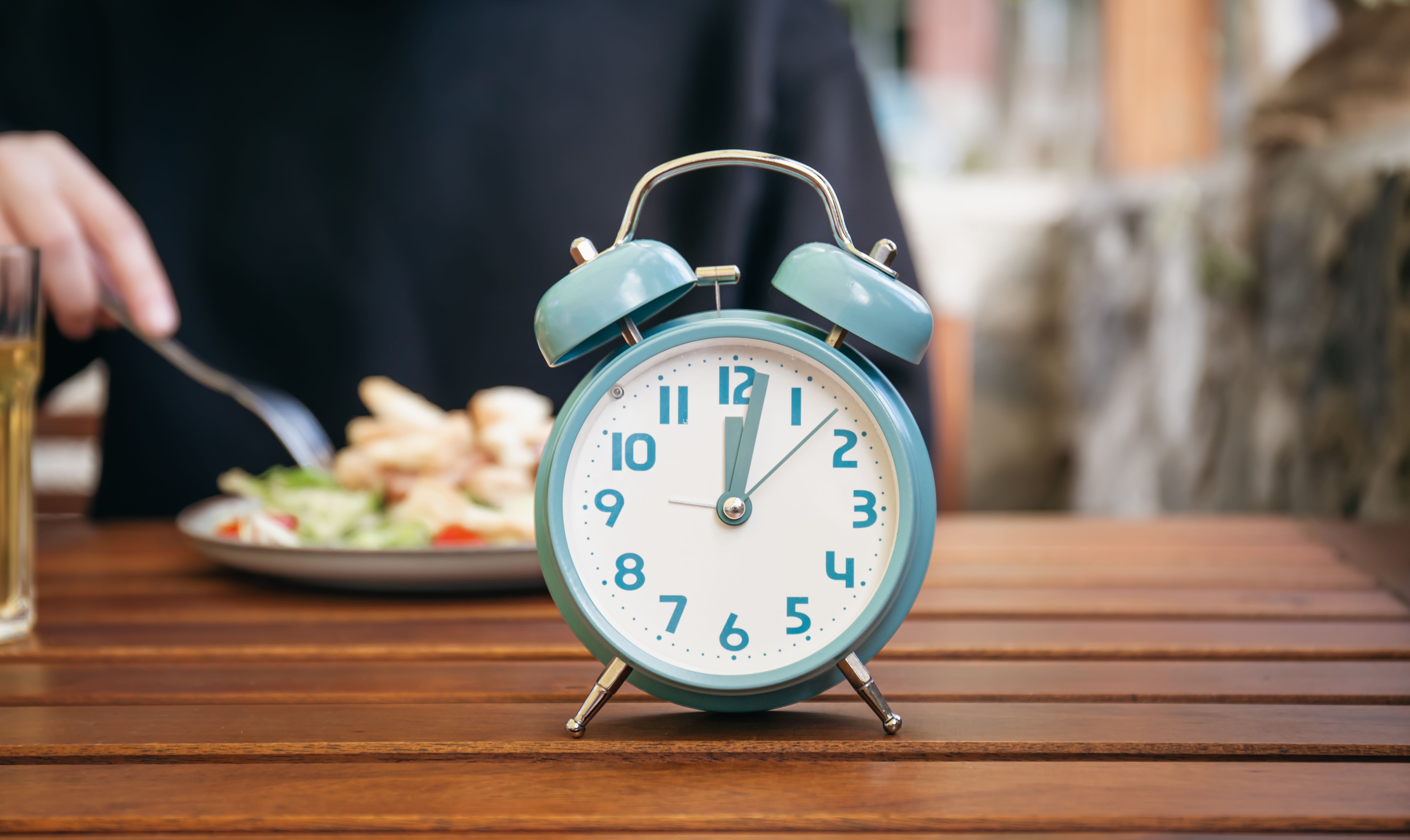
The afternoon energy crash isn't inevitable. It's predictable, which means you can design for it. Here's how to hold the room all day.
I want to talk about 2pm at a corporate event.
You know what I'm describing. The session just started after lunch. The speaker is good. The content is relevant. And half the room is fighting gravity. Eyes glazing. Posture going. Phones coming out.
It happens at almost every event that didn't plan around it. And here's the thing: it's almost always treated as an inevitable biological fact instead of what it actually is, which is a predictable design failure.
The post-lunch slump is one of the most well-documented patterns in human physiology. Blood flow redirects. Attention narrows. Energy dips. We've known this for decades. And yet event after event schedules the densest content or the longest session of the day right after the afternoon break and then acts surprised when the room loses the thread.
I think about energy as a design variable. The same way you think about room layout or session sequence, you can design around predictable energy patterns instead of ignoring them.
In practice, that means a few things. It means putting interactive content, small group work, or physical movement after lunch rather than another talking-head session. It means thinking about the rhythm of the day as a whole rather than treating each hour as its own island. It means accepting that a 20-minute high-energy activation is worth more at 2pm than a 60-minute panel that loses the room by 2:30.
It also means having someone in the room who can read the energy in real time and adjust. Because even the best-designed schedule hits unexpected friction. A speaker runs long. The lunch service takes more time than planned. The room temperature is off. Energy is a living thing. The agenda is just the plan.
The question isn't whether the afternoon energy dip is coming. It's whether your event was designed to meet it or hoping it wouldn't show up.
Day-three fatigue at a multi-day conference works the same way. Post-keynote lull. Pre-closing energy drop. These are patterns. They're predictable. And the difference between an event that holds a room all the way through and one that loses people at the halfway mark is usually whether someone designed for them.