
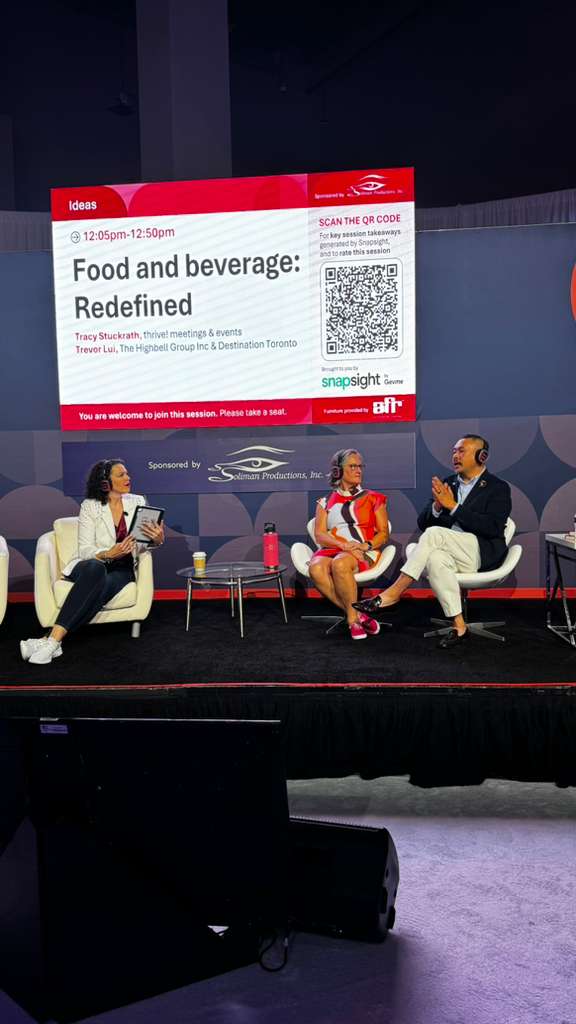
The best external emcees don't feel like vendors. It looks and feels different when the right professional becomes a genuine extension of your team.
There's a version of this that works really well
You know the vendor version. The person who shows up with a script, does their thing, and leaves. Competent. Professional. Completely disconnected from what your organization is actually trying to do that day.
And then there's the other version. The one where the external professional walks into the room and it feels like they've been part of your team for years. Where they reference something your CEO said in the opening and weave it back in three sessions later. Where the audience stops thinking of them as "the host" and starts thinking of them as part of the day.
That version is what I mean by extension of the team. And it doesn't happen by accident.
It starts before anyone walks in the room
The work that makes an external professional feel like part of your team happens weeks before the event.
It's the intake call where they ask about your organization's history. Not just this event but the context around it. What has this team been through this year? What are the tensions that might come up in the room? What are you hoping people leave with?
It's the follow-up conversations to get specific. Not just "we want people to feel engaged" but "here's the moment in the afternoon where energy always drops and we need something that can bring it back."
It's the review of your materials, strategy documents, previous event recordings, communications your team has sent, so they can speak your language and reference your real context rather than generic event patter.
By the time they walk in the room, they're not learning your organization. They know it.
What it looks like on the day
The external professional who functions as an extension of your team does things a vendor can't.
They call people by name. Not just the speakers but audience members they learned about in advance.
They reference the specific language your leadership uses. The phrases your CEO repeats. The priorities your team named in the last all-hands. So instead of hearing generic facilitation, the room hears itself reflected back.
They protect your speakers. When a session runs long, they make the judgment call about what to adjust so the rest of the day still lands, without you having to manage it from the back of the room.
They read the room in real time and adjust. When energy drops, they catch it early and do something about it before you lose the room. When a session sparks unexpected engagement, they know when to let it run.
None of that is in the script. It comes from preparation and presence.
What you have to do to make it possible
This is the part clients sometimes miss. Being an extension of the team requires the team to actually bring the external professional in.
That means having the intake conversations, not just sending over an agenda. Being honest about what's hard, not just what's great. Introducing them to key stakeholders before the event so they're not meeting people cold. And giving them enough lead time to actually do the preparation.
The professionals who show up feeling like a stranger are often the ones who weren't given the chance to be anything else.
What this makes possible for you
When your emcee or facilitator is a genuine extension of your team, you get to be a participant, not a manager of the event. You can actually be in the room, present to what's happening, instead of watching from the back and hoping it goes well.
That's a different experience. And it tends to produce a different result.