
Diminishing returns on your corporate events isn't bad luck. It's a pattern with specific causes, and once you can name what's wrong, you can actually fix it.
The feeling is real. The cause is usually one of three things.
You've done this event before. Maybe many times. And somewhere over the last year or two, you started noticing it: the post-event surveys are fine but not great. Attendance is stable but the energy isn't what it used to be. People are showing up but they're not as present as they were.
Leadership is starting to ask whether it's worth what it costs.
That feeling... that something is off but you can't quite name it is what I hear most often from leaders who reach out. And here's what I've learned after working with more than 150 organizations: the feeling is almost always right. The event has hit an inflection point. And the cause is usually one of three things.
Cause 1: The format has stayed the same but the audience has changed
Organizations change. Teams change. What your people needed from a leadership summit or annual conference three years ago is not necessarily what they need now.
But event formats are sticky. Once something "works," it tends to stay exactly as it is until someone has the courage to rethink it.
If your audience has changed in size, in composition, in what they need from this gathering and your format hasn't, you're running an event designed for a room that no longer exists.
Cause 2: The event is designed around content delivery, not outcomes
This is the most common one.
Most corporate events are built as a showcase. Here is the strategy. Here is the leadership team. Here are the priorities for the year. Here are the speakers we brought in.
That's content delivery. It's fine. But it's not what produces alignment, motivation, or behavior change.
When the same format runs year after year with diminishing returns, it's often because the event never had a clear outcome to produce. Just content to deliver. And at some point, people start wondering why they needed to be in the room for it.
Cause 3: There's no one holding the room
Attendance does not create engagement. Proximity does not create connection. Information does not create alignment.
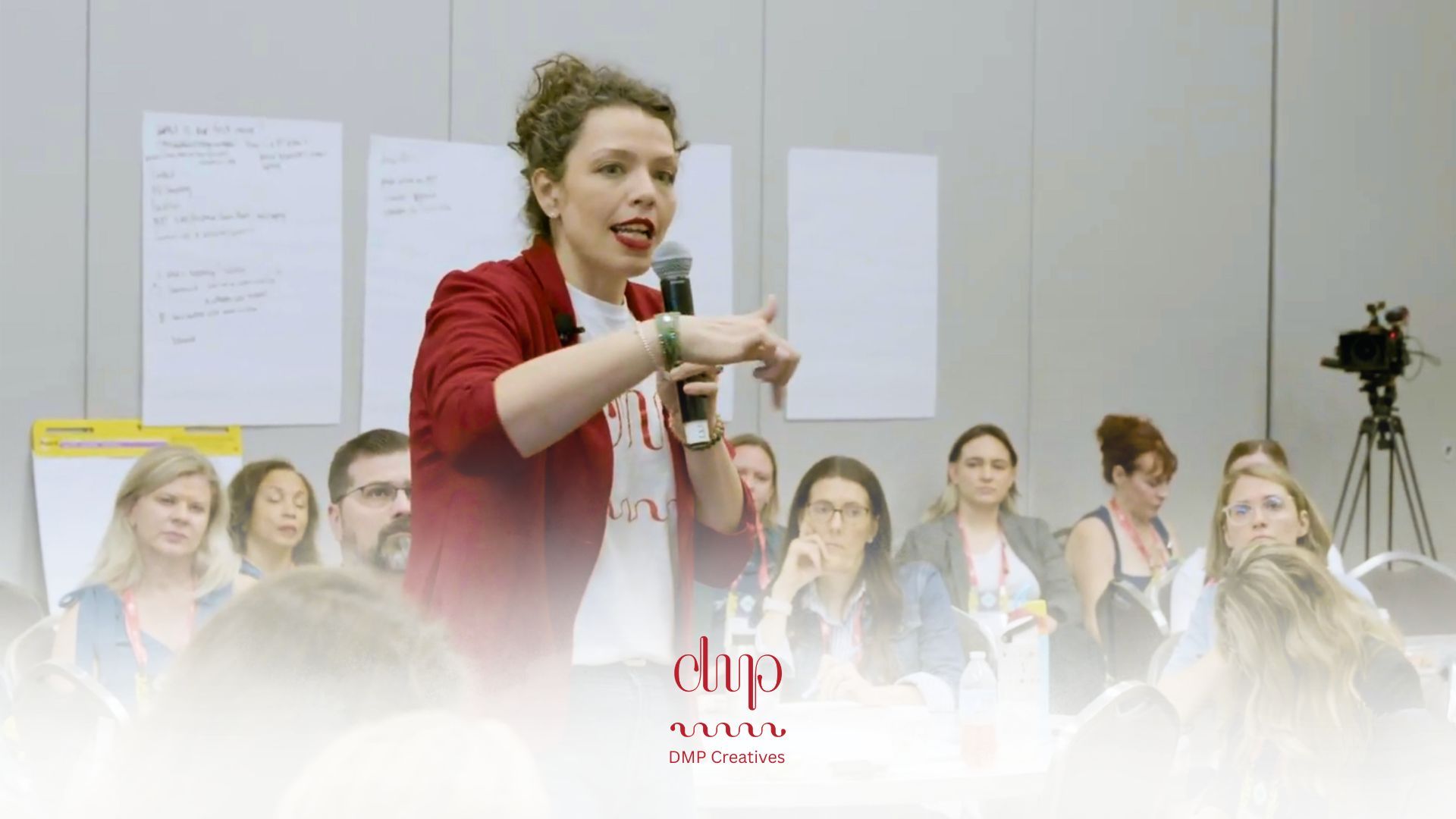
Someone has to actively hold the experience; reading the room, managing the energy, creating the conditions for the content to actually land.
Without that, even strong content produces passive attendance. And passive attendance gives you exactly the survey results you've been getting: fine, but not great.
How to know which one it is
Ask yourself these questions:
Would a team member from two years ago recognize this event as essentially the same one? If yes, and your team has changed significantly, you're probably looking at cause 1.
At the end of this event, do people leave with clear decisions and owned next steps? Or do they leave energized but vague? If it's the latter, you're probably looking at cause 2.
During the event, does someone own the energy in the room? Does anyone actively manage transitions, read the room, and adjust in real time? If nobody owns that, you're looking at cause 3.
Most organizations dealing with diminishing returns are actually dealing with all three at once. Which is why the answer isn't tweaking the agenda - it's rethinking the design.
What rethinking the design actually looks like
It starts with the outcome. Not "what do we want to cover" but "what do we need people to think, feel, and do differently after this event?"
It moves into the format. Does the structure actually serve that outcome? Where are the participation moments? Who's holding the room?
And it involves honest conversations with someone who's seen a lot of rooms, because the pattern is usually more visible from the outside than the inside.
If you're at the inflection point right now, that's a good thing. It means you know something needs to change before you run this event one more time and get the same result.