The energy in the room won't survive the flight home unless you design for it. Here's how to plan the Monday after your event while you still can.
I want to talk about the 72 hours after your event ends, because I think it's the most underplanned part of any event.
You spent months building toward the moment. You designed the experience, booked the speakers, thought about the room. The closing session lands well. People are energized. They're talking to each other in the hallway. You can feel that something actually happened in there.
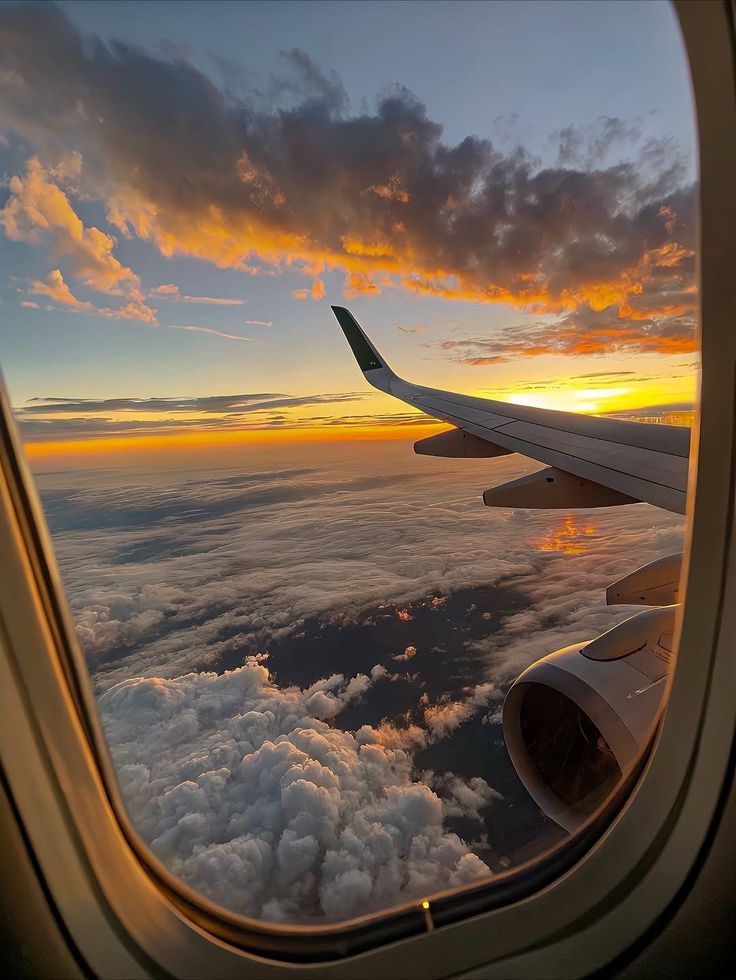
Then everyone gets on a plane.
By Monday afternoon, most of that energy is already diffusing. The inbox caught up. The next meeting started. The thing the room committed to on Friday is competing with everything that was waiting when people got home.
This isn't a people problem. It's a design problem. And it's one of the most consistent blind spots I see in event planning.
The event was built around the moment. Nobody built anything to carry the moment forward.
Here's why it happens. All the planning energy goes toward the event itself, because that's the deadline everyone can see. Once the closing session ends, the project is technically done, the team is exhausted, and nobody owns what comes next. The follow-through falls into a gap that belongs to no one.
What does carrying it forward actually mean in practice? It's different for every event, but it usually involves a few things. A concrete commitment made in the room, not a vague intention but a specific action with a name and a date on it. A follow-up touchpoint within 48 hours that connects back to what happened in the room. A structure that holds people accountable to what they said they'd do.
These don't have to be complicated. A one-page summary of commitments made in the room. A 15-minute check-in scheduled before everyone leaves the building. A Slack channel, an email thread, anything that extends the conversation past the closing session.
Here's what that can look like in a real room. In the last 20 minutes, people turn to the person next to them and say out loud what they're going to do differently and by when. Someone captures it. Within two days, everyone gets their own commitment back in writing. A week later, a short call checks in on what moved and what got stuck. None of it is fancy. It just exists, and most events have nothing like it.
What doesn't work: a survey, a slide deck of key takeaways, and a "great event, see you next year" email.
The event is the beginning of something, not the end of something. When you build it that way, the design changes. The closing session becomes a launchpad, not a wrap-up. The action planning happens inside the event, not scrambled together the week after. The follow-up is designed before the day of.
It also changes how you measure success. Attendance and satisfaction scores tell you how the room felt on Friday. They don't tell you whether anything changed a month later. If the goal was alignment, a shift in behavior, or a decision, the real measure shows up weeks after the event, and you only see it if you planned to look.
I ask every client: what's the plan for Monday? If there isn't one, that's where we start.